British Mandate Currency: “Palestine” with Hebrew “Eretz Yisrael”
During the British Mandate period (1920–1948), the international name of the territory was Palestine. This name appeared on all British government-issued currency — both coins and banknotes. However, the coins contained Hebrew inscriptions, demonstrating that Jews were a significant presence in the land at the time, and the inscriptions themselves tell a more nuanced and historically significant story.

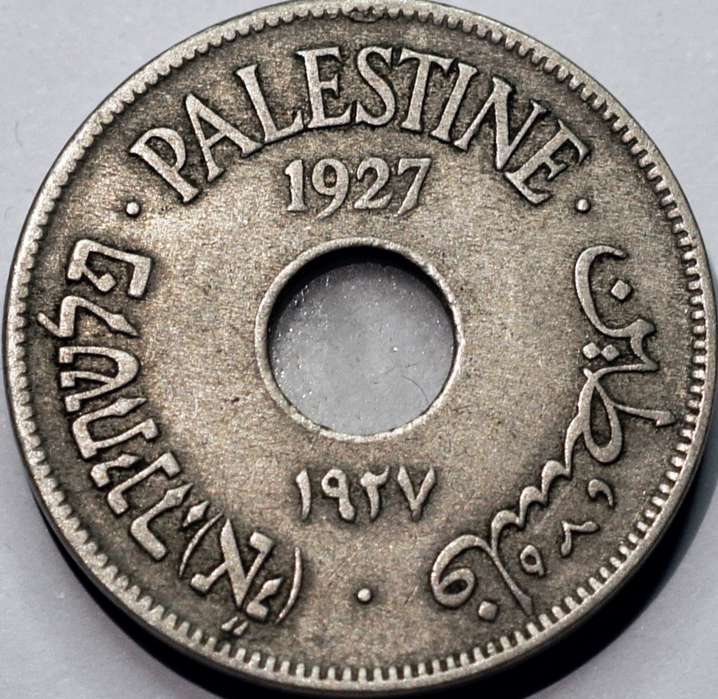
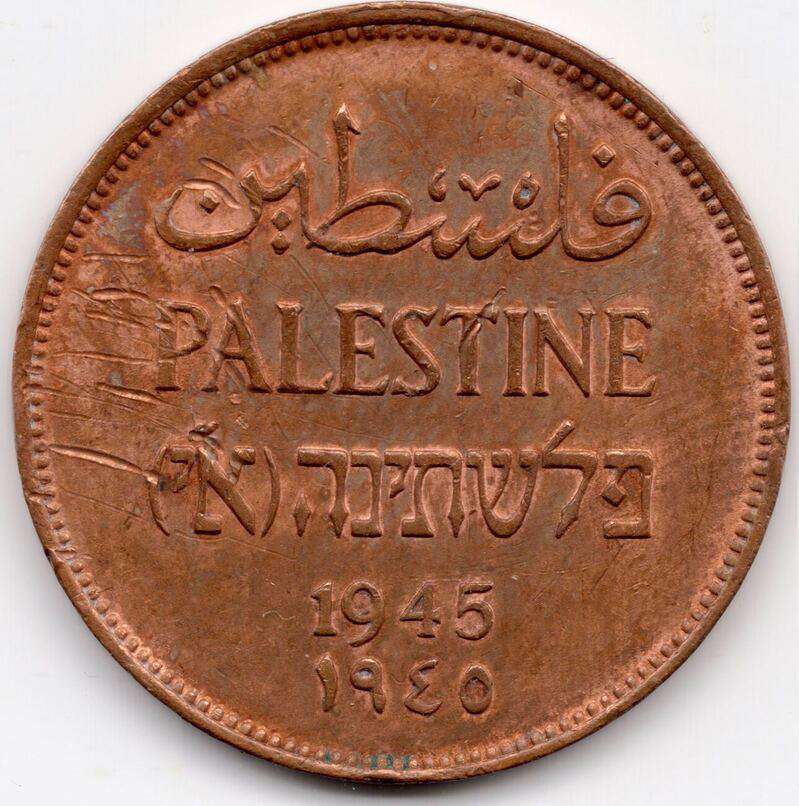

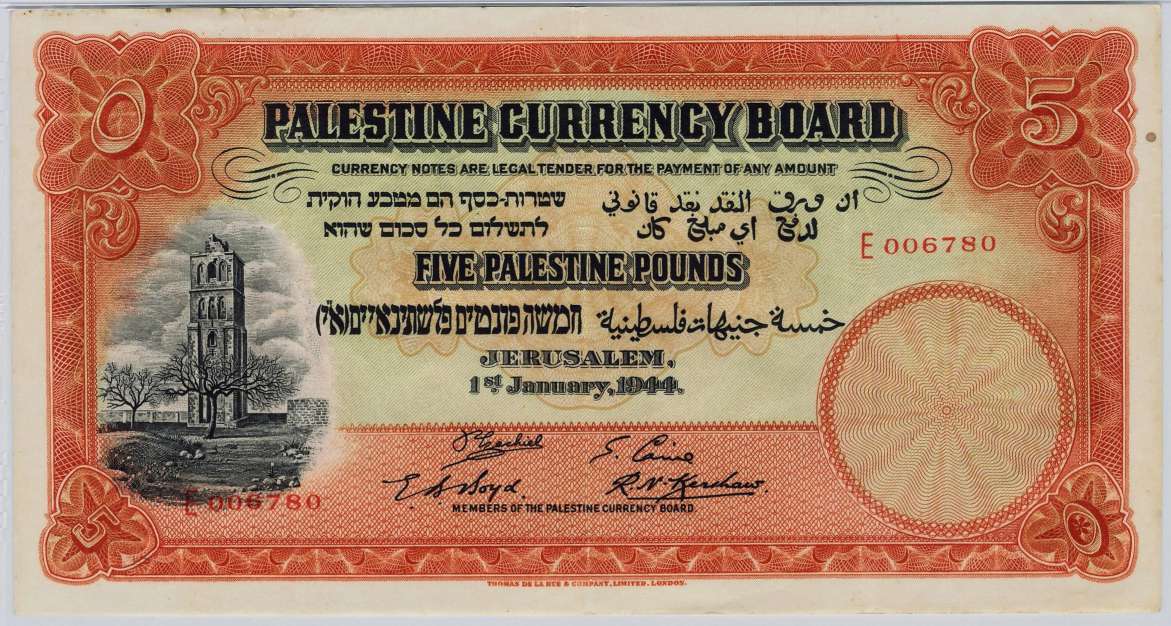
Currency of the British Mandate
Starting in 1927, the British authorities issued a series of coins and banknotes. These were trilingual, featuring inscriptions in English, Arabic, and Hebrew. The Hebrew side did not simply say “Palestine.” It read:
פלשתינה (א״י)
Translation: Palestina (E.Y.)
The letters א״י (Aleph-Yud) are an abbreviation for אֶרֶץ יִשְׂרָאֵל — Eretz Yisrael (“Land of Israel”). This was a deliberate compromise. The British used the international name “Palestine,” while also acknowledging the land’s historic Hebrew name. As a result, every official coin carried both names.
Historical Significance
The inclusion of א״י on British Mandate currency is evidence that even under foreign administration, the international community and local authorities recognized the deep Jewish connection to the land.
These coins and banknotes serve as tangible artifacts showing that “Palestine,” during the Mandate era, was widely understood as the Jewish national home. The Hebrew inscriptions ensured that no one — not the British, not the Jews, and not the Arabs — could ignore this reality.
Today, surviving examples of these coins and notes are valuable collectibles and important historical reminders of a time when “Palestine” in official use still carried the clear acknowledgment of its identity as the Land of Israel — the same usage reflected in newspaper headlines of the era.