Ritual Immersion Baths (Mikvaoth)
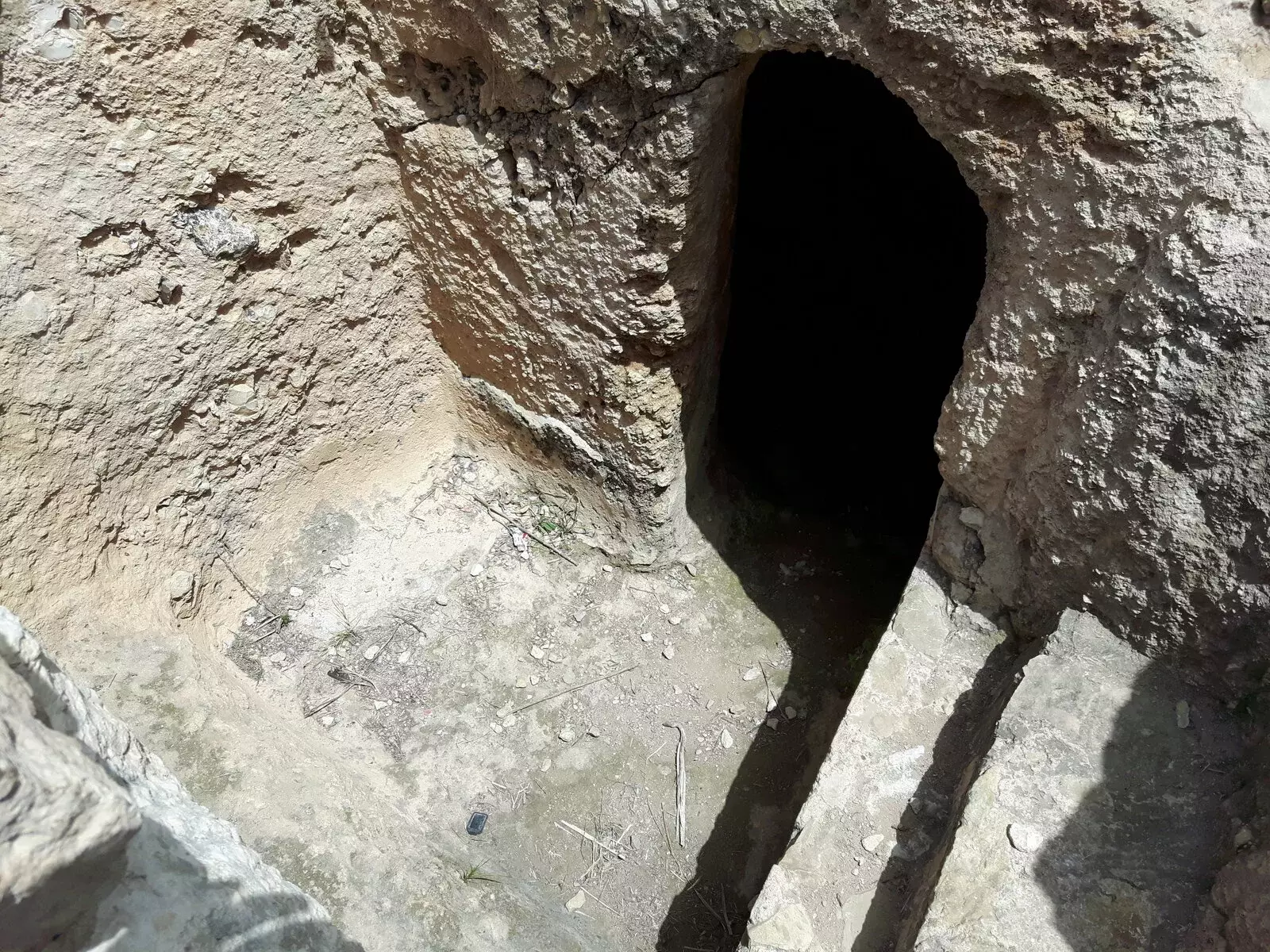
Archaeologists have identified and excavated thousands of ancient mikvaoth — stepped, plastered pools used for ritual immersion under Jewish purity law — across the Land of Israel, from Jerusalem and the Judean hills to the Galilee and the Judean Desert. Unlike a monumental building or an inscribed artifact, a mikveh is a marker of ordinary religious observance: not a king's monument, but a feature built into the private homes, villages, and public spaces of everyday Jewish communities.
Evidence of Lived, Popular Observance
Ritual immersion is one of the most basic and continuously practiced elements of traditional Jewish law, governing personal and family purity, preparation for entering the Temple precincts, and conversion. A mikveh had to be built to precise legal specifications — cut into rock or plastered, fed at least partly by natural water, and equipped with stepped access — meaning that wherever archaeologists find one, they have found direct physical proof that a community there was structuring its daily religious life around Jewish law.
Because mikvaoth appear in such large numbers, and in domestic and communal contexts rather than only at major religious sites, they demonstrate something a single dramatic monument cannot: that observance of Jewish law was not confined to elites or to Jerusalem, but was practiced broadly, by ordinary people, in town after town, across the land, for centuries. Together with synagogues such as those at Capernaum and coins bearing declarations of Jewish sovereignty, these humble, everyday installations form an essential part of the broader archaeological record of Jewish life throughout the Land of Israel.