The Archaeological Record
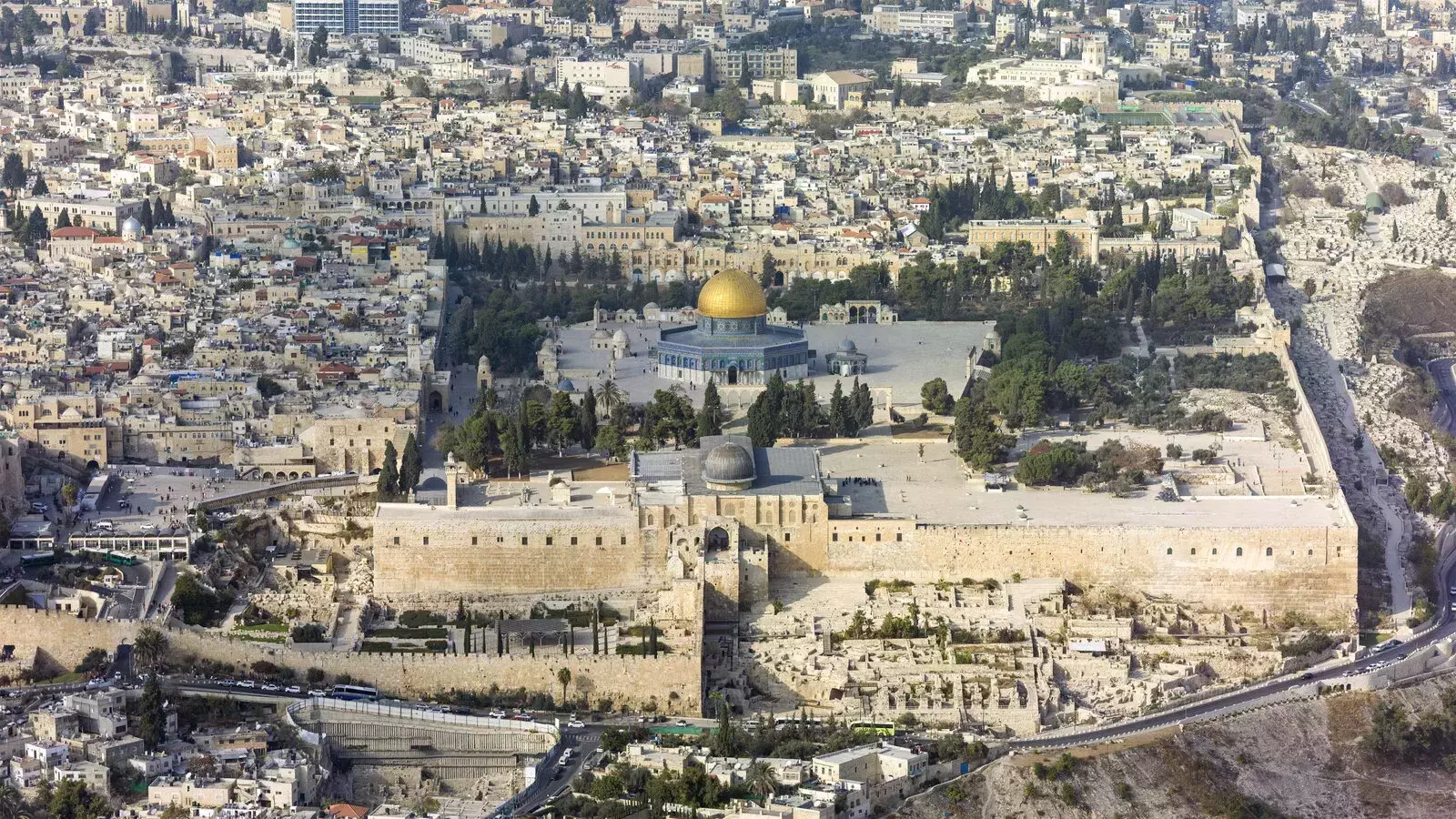
No form of evidence is harder to dismiss than what has been physically dug out of the ground. Over more than a century of systematic excavation, archaeologists working across the Land of Israel — Jewish, Christian, Muslim, and secular alike — have uncovered an immense and continuously growing body of physical remains documenting Jewish life, worship, governance, and culture spanning more than three thousand years.
A Layered, Unbroken Record
What makes this record so powerful is not any single discovery, but its sheer density and continuity across every period. Extra-biblical inscriptions such as the Merneptah Stele and Tel Dan Stele, together with the Sennacherib Prisms, corroborate the biblical kingdoms across the Iron Age. The Siloam Inscription and Ketef Hinnom Silver Amulets anchor the First Temple period, while the Dead Sea Scrolls provide physical proof of the Hebrew Bible's antiquity from the late Second Temple period. Hundreds of excavated synagogues — including those at Capernaum, Beit Alpha, and Huqoq — attest to vibrant, continuous Jewish religious life through the Roman and Byzantine periods. Coins minted by Jewish authorities provide direct, dated physical evidence of successive periods of Jewish political sovereignty. And thousands of excavated ritual immersion baths document the everyday religious practice of ordinary Jewish communities across the land.
Layered together, these finds form an archaeological record with no real parallel: a continuous material record of one people's presence, worship, and self-governance in one specific land, spanning from the biblical kingdoms through the Roman and Byzantine periods and beyond.
Why It Matters
Archaeology does not depend on faith or tradition to be persuasive — a coin, an inscription, or a mosaic floor is simply there, dated and analyzed by the same scientific methods archaeologists apply anywhere else in the world. That this evidence keeps accumulating, with new excavations every year near the Temple Mount, in the Galilee, and in the Judean Desert, only strengthens a conclusion the existing record already makes clear: the Jewish people are not recent arrivals to the Land of Israel, but its indigenous people, whose presence there is written directly into the ground.